♠ Poker Study LabOpen study space
Language: English

POKER STRATEGY. HUMAN JUDGMENT.

Build a reason for every decision.

A guided six-max cash course connecting strategy, opponent reads and decisions under pressure—through lessons, practice and review.

4 Starter lessons · no card

Six-max cash • Guided study • At your own pace

One hand. One useful idea.

$50

River · Pot before the bet $100

Board

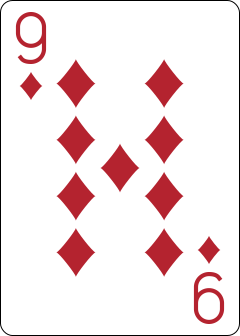
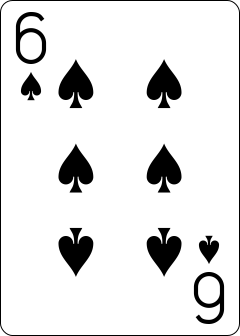
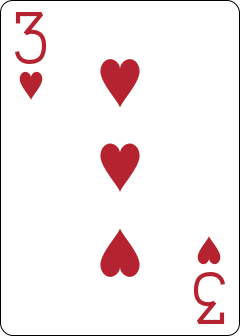
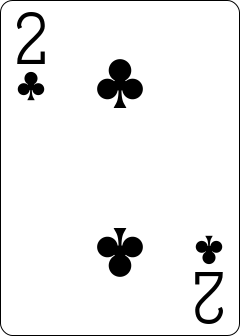
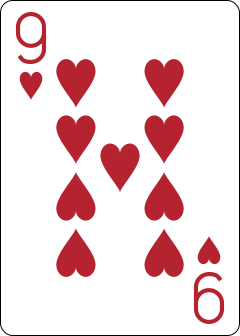
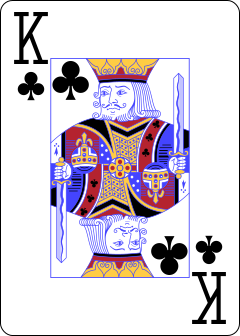
K♣9♦6♠3♥2♣

Your hand

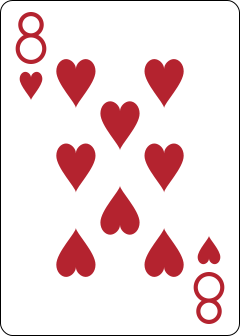
9♥8♥

Your opponent bets $50. Call or fold?

For this example, assume your hand wins 3 times out of 10.

No ties, rake or further betting.

Show the calculation

Call $50: you need 25%, below the assumed 30%.

Fold to $100: you need 33.3%, above the assumed 30%.

The cards stayed the same. The price changed the decision.

Continue in lesson 1.1
Original PSL exercise · Practice example only. This does not record mastery.
Book details

Conceptual reference: The Mathematics of Poker — Bill Chen & Jerrod Ankenman.

Poker Study Lab is independent and is not affiliated with or endorsed by the authors or publishers.

Learn. Decide. Correct. Return.

  1. Learn

    Study one idea and its worked example.

  2. Decide

    Commit to an answer before revealing the explanation.

  3. Correct

    Explain the correction in your own words, then change one input.

  4. Return

    Return later and try again without the explanation.

The example above runs the first three steps. In the course, you return to the same decision later with one input changed.

32 authored lessons · 4 stages

From the price to the plan

From pot odds and ranges to opponent reads and decisions under pressure. See the full path before choosing where to start.

  1. Foundations

    Stage 1 · 13 lessons

    Includes Free Starter lessons

    You learn
    Table basics, pot odds, ranges, bluff balance and a steady decision process.
    You practise
    Break-even calls, bluff fractions, three-bet pots and second barrels in authored spots.
    Afterwards you can explain
    Why a call, bet or fold is worth its price.
    Show the 13 lessons
    1. 0.1 Your first orbit: read the Hold'em tableFree Starter
    2. 0.3 Stay steady: judge the decision, then resetFree Starter
    3. 1.6 Preflop ranges as defaults, not commandmentsAcademy
    4. 1.1 Pot odds and equity: the break-even callFree Starter
    5. 1.4 SPR and stack leverageAcademy
    6. 1.5 Range-vs-range and board textureAcademy
    7. 1.2 Value-to-bluff ratio and the bluff fraction A = B / (2B + P)Academy
    8. 1.3 Minimum defense frequency and polarizationAcademy
    9. 0.2 Hold your baseline under online pressureFree Starter
    10. 1.7 Playing 3-bet potsAcademy
    11. 1.8 Turn play: the second barrelAcademy
    12. 1.9 Check-raising out of positionAcademy
    13. 1.10 Bankroll and varianceAcademy
  2. Call needs 25%
    $50Call
    $200Final pot

    Put strategy to work

    Stage 2 · 5 lessons

    You learn
    Reading solver output, simplified c-bet sizes, river bluffs and probe bets.
    You practise
    Turning a solver’s shape into a few lines you can repeat.
    Afterwards you can explain
    When to keep a baseline and when evidence justifies a deviation.
    Show the 5 lessons
    1. 2.3 Turning equilibrium bluff math into a river decisionAcademy
    2. 2.1 Reading a solver tree without drowningAcademy
    3. 2.2 The simplified two-size c-bet that exploits overfoldingAcademy
    4. 2.4 When should you deviate from a GTO baseline?Academy
    5. 2.5 Donk-bet and probe heuristics from solver shapeAcademy
  3. Example action history
    1. PreflopRaise
    2. FlopCheck
    3. TurnBet
    • Range
    • Tendencies
    • Board

    Read and adapt

    Stage 3 · 8 lessons

    You learn
    Opponent tendencies, how reliable a read is and how far to adjust.
    You practise
    Building a narrow read from matched actions, then making a controlled adjustment.
    Afterwards you can explain
    Why a read supports an adjustment—or why it does not yet.
    Show the 8 lessons
    1. 3.1 Classify the opponent before you deviateAcademy
    2. 3.2 Judging read reliability: sample size and stat thresholdsAcademy
    3. 3.3 Choosing the degree of deviation with node-locking logicAcademy
    4. 3.4 Snap back to baseline versus adaptive playersAcademy
    5. 3.5 Exploiting population overfolds versus calling stations (capstone)Academy
    6. 3.6 Fix the weakest link first (deliberate-practice routing)Academy
    7. 3.7 Read Without Guessing: patterns, showdowns, and limitsAcademy
    8. 3.8 Spot Pressure Plays without surrendering the poker decisionAcademy
  4. Changed input

    Price

    Opponent

    Reconsider the plan

    Connect advanced decisions

    Stage 4 · 6 lessons

    You learn
    River range construction, four-bet pots, counter-adjustments and table image.
    You practise
    Re-planning a whole decision when one input changes.
    Afterwards you can explain
    How a complete plan changes with the price, the range or the opponent.
    Show the 6 lessons
    1. 4.1 River range architecture: block, polarize, or bluff-catchAcademy
    2. 4.2 Four-bet-pot planning: SPR and room to checkAcademy
    3. 4.3 Exploit adjustment and counter-adjustment: a controlled loopAcademy
    4. 4.4 Advanced cash integration capstone: changed inputs, new plansAcademy
    5. 4.5 Shape What Others See: table image and information controlAcademy
    6. 4.6 Advanced Table Dynamics: counter-adjust, re-baseline, and stay ethicalAcademy

Free Starter includes lessons 0.1, 0.2, 0.3, and 1.1. Academy lessons are included with membership. Every lesson keeps its prerequisites.

Learning in practice

One idea, from lesson to later review

Follow the pot-odds idea from the opening example through the course.

1.1 Pot odds and equity: the break-even call

Your hand
9♥8♥

Your first decision is the beginning.

Commit to a choice, explain what you missed in your own words, then meet the same decision again with one input changed.

  1. Learn

    1.1 Pot odds and equity: the break-even call

    Turn a bet into the share of the final pot a call must win.

  2. Decide

    Your opponent bets $50. Call or fold?

    For this example, assume your hand wins 3 times out of 10.

  3. Correct

    Call $50: you need 25%, below the assumed 30%.

  4. Return

    Fold to $100: you need 33.3%, above the assumed 30%.

    The cards stayed the same. The price changed the decision.

Illustrative correction · not saved
What did you miss?
I called $100 because calling $50 was right a moment ago.
What is the corrected reasoning?
A $100 call into a $300 final pot needs 33.3%. With 30% assumed, folding is better.
Which changed input could change your decision?
A smaller bet: at $50, the call needs only 25%.

In a lesson you write your own correction, then return to the decision later.

The last hand need not play the next one.

Practise reviewing the reasoning behind a loss, questioning a read and pausing before the next decision. Psychological cues are evidence to examine, not certainty about an opponent.

The pressure · 0.2 Hold your baseline under online pressure

A message arrives. Did the hand change?

Your price-and-range analysis says fold. The opponent types:

“You just lost a pot. Bet you won’t call.”

No comparable history shows that this message predicts a bluff. Cards, price and action history are unchanged.

What deserves more weight?

Keep the fold here. The message could accompany a bluff, a value bet or simple banter. Adjust the technical baseline only when relevant evidence supports it.

The reset · 0.3 Stay steady: judge the decision, then reset

A sound call loses. What next?

The call needed 25% equity; your reasonable pre-reveal estimate was 30%. You lost and notice an urge to win the chips back quickly.

Protect your next decision.

Review the decision using what you knew at the time. Pause, state the technical anchor and choose one process rule. Step away if you cannot follow it.

Recognizable ideas. Your own practice.

Study established concepts through independently authored Poker Study Lab scenarios.

The break-even price

What you examine
How a bet sets the equity a call needs, before the result is known.
Source details

Conceptual reference: The Mathematics of Poker — Bill Chen & Jerrod Ankenman.

Poker Study Lab is independent and is not affiliated with or endorsed by the authors or publishers.

Hand reading through actions

Daniel Negreanu emphasizes betting patterns and past actions when reading hands, with fundamentals ahead of isolated physical tells.

What you examine
Matched action lines and showdowns, kept apart from guesses about intent.
Source details

Read the source ↗ (English source • opens a new tab)

Decision quality and outcomes

Annie Duke discusses “resulting”: confusing the quality of an outcome with the quality of the decision that produced it.

What you examine
A decision judged by what was known before the result.
Source details

Read the source ↗ (English source • opens a new tab)

Price the bluff.

A famous river bluff. What fold rate would make a bet worth taking? 2015 EPT Grand Final · Four players left

What you examine
What do you need before judging the profitability of this bluff?
Source details

The exact effective river shove is not verified here. No historical fold-rate estimate or precise bluff threshold is claimed.

Original analysis linked to event reporting. Players and publishers do not teach or endorse PSL. Tournament results are not proof of a solved six-max cash strategy.

Educational references, not endorsements. These players do not teach, sponsor or endorse Poker Study Lab.

One membership · monthly or annual

Start free. Join when it helps.

Choose monthly or annual Full Academy after your regional offer is verified. Start free and unlock an optional seven-day preview after the starter introduction.

Free Starter

First Hand, four starter lessons, saved progress and 15 authored decisions per UTC day. Finish a lesson session already started.

Starter lessons

Start free

4 Starter lessons · no card

Seven days to explore

After verifying your email, complete First Hand and lesson 1.1, including a decision. If you have no active paid membership and have not used the preview, you can choose to unlock it once. No card required. The preview will not start automatically or renew itself, and never charges you.

The preview includes the curriculum, standard practice, personal-hand study and offline Coach. Paid-only personal-hand leak reports and targeted preflop drills are excluded. Saved learning remains after it ends.

Full Academy

Billing period

€19.99per month

Renews monthly until cancelled. Cancel from your account; access continues to the end of the paid period.

Check availability and continue

€189.00

€189.00 charged once per year

Equivalent to €15.75 per month, billed annually.

Save €50.88 (about 21%) versus twelve monthly payments.

Renews annually until cancelled. Cancel from your account; access continues to the end of the paid year.

Check availability and continue

Plans confirms country availability, currency and the exact charge before payment.

What your membership includes

  • Full curriculum, authored practice, explanations and saved progress from day one.
  • Keep using the study tools, correcting mistakes and completing supported scheduled reviews while membership is active.
  • Includes the current Decision Desk and Reset Lab editions and their supported changed-input revisits. New monthly editions are not promised.
  • Personal-hand study and offline Coach are included. Personalised preflop reports and drills are in English, for supported PokerStars 6-max cash Hold’em opening decisions, up to 20 hands per batch; no postflop scoring.
  • Application navigation in ten languages; some source material or advanced content may remain in English

No private coaching, live-play advice, unrestricted solver analysis or promised winnings.

Before you join

Who is this for?

Adult six-max cash learners, especially players who know the rules and want structured practice. Beginners can also explore the First Hand introduction.

Does changing language change availability?

No. Reading language is separate from country eligibility, currency and available offers. Plans checks those details before purchase.

How does access start?

After verifying your email, complete First Hand and lesson 1.1, including a decision. If you have no active paid membership and have not used the preview, you can choose to unlock it once. No card required. The preview will not start automatically or renew itself, and never charges you. Check availability on Plans, create an account or sign in, verify your email, review the offer and terms, and complete Checkout. Membership starts after payment and access are confirmed.

How do renewal and cancellation work?

The monthly or annual membership renews until cancelled. Cancellation takes effect at the end of the paid period. Applicable refund and withdrawal rights remain; there is no additional voluntary money-back guarantee.

What happens after I finish the lessons?

Return to difficult concepts, independent practice and available later reviews. Coverage is bounded by the supported curriculum; completing it does not unlock unlimited new content.

Why continue a membership?

Continue while the practice, corrections and review workspace help your study. We do not promise new lessons every week or that every learner needs a subscription forever.

Learn the strategy. Train the judgment.

Start with the free Starter lessons. Membership adds the full course when you want it.
4 Starter lessons · no card

Full Academy: €19.99 per month. Renews monthly until cancelled. Cancel from your account; access continues to the end of the paid period.